Why Kitchen Drawer Slides Eventually Start Sticking and Become Hard to Open
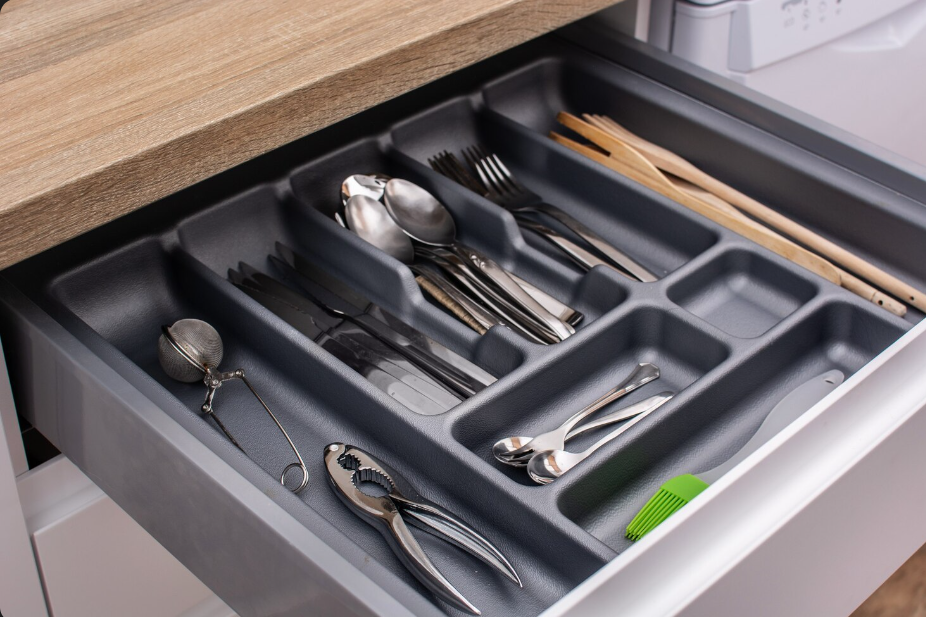
Disclosure / Affiliate Notice:
As an Amazon Associate I earn from qualifying purchases. Some links in this article may be affiliate links that earn me a commission at no extra cost to you.
https://www.amazon.ca/s?k=precision+cleaning+brush+set&crid=1JGHPH6MMYX0Q&sprefix=precision+cleaning+brush+set%2Caps%2C1200&linkCode=ll2&tag=890dj891jd21-20&linkId=9bb132c9c15578adbc7ae2bffc33805e&ref_=as_li_ss_tl
Kitchen drawers that once glided smoothly can gradually become stubborn and difficult to open, requiring increasing force to pull them out. This common household problem affects most kitchens over time, regardless of the initial quality of the drawer hardware. Understanding why this happens reveals the invisible forces that work against smooth drawer operation in everyday kitchen environments.
The transformation from smooth operation to sticky resistance occurs through a combination of factors that accumulate gradually. What starts as barely noticeable resistance eventually becomes a daily frustration that makes accessing kitchen items more difficult than it should be.
How Cooking Residue Creates Invisible Barriers
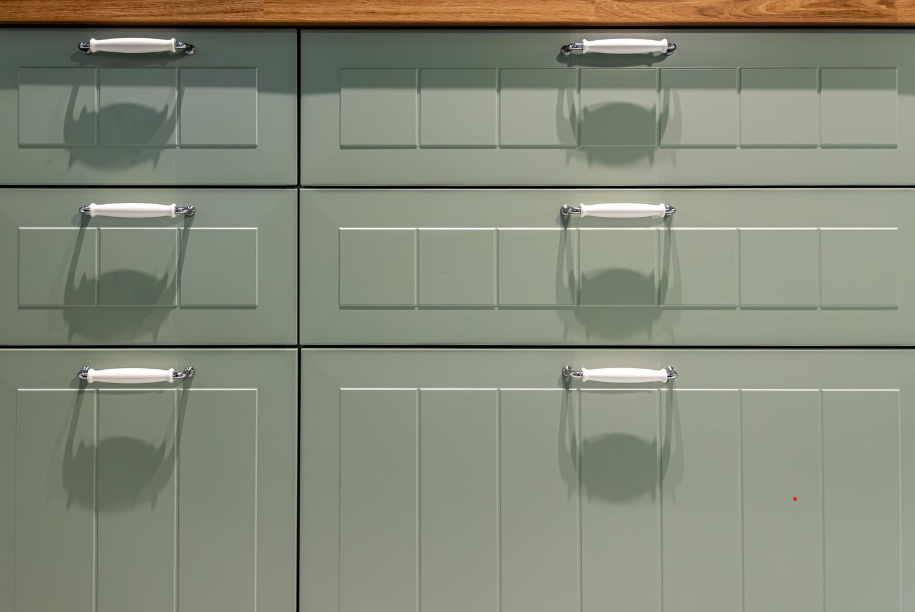
Kitchen environments expose drawer slides to airborne particles that settle on metal surfaces over months and years. When cooking, microscopic droplets of oil, steam, and food particles become suspended in the air. These particles eventually settle on drawer hardware, including the metal tracks and rollers that enable smooth movement.
Cooking oils are particularly problematic because they remain sticky long after initial contact. Unlike water-based substances that evaporate, oil-based residues create a tacky surface that attracts additional particles. This creates a compound effect where dust, crumbs, and other debris stick to the oily film, gradually building up layers of material that interfere with mechanical movement.
The accumulation happens so slowly that homeowners rarely notice the gradual decline in drawer performance. Each cooking session adds imperceptible amounts of residue, but over hundreds of meals, the cumulative effect becomes significant enough to impact drawer function.
The Role of Dust and Debris in Mechanical Interference
Beyond cooking residue, household dust plays a major role in drawer slide deterioration. Dust particles work their way into the narrow spaces between moving parts, acting like tiny pieces of sandpaper that create friction during drawer operation. The confined spaces within drawer slide mechanisms provide perfect collection points for this debris.
Kitchen drawers also collect food particles that fall during meal preparation and cooking. Flour, sugar, spices, and crumbs can migrate into drawer slides through normal kitchen activities. These particles combine with existing residue to form a gritty paste that significantly increases resistance during drawer movement.
The problem compounds because drawer slides typically feature multiple contact points between moving parts. Each contact point can accumulate debris independently, meaning that even small amounts of buildup in several locations can create noticeable resistance throughout the entire drawer operation.
How Metal-on-Metal Contact Changes Over Time
Drawer slides rely on smooth metal surfaces rolling or sliding against each other to enable easy movement. Over time, repeated use causes microscopic wear on these contact surfaces. While this wear is minimal during each individual use, thousands of opening and closing cycles gradually alter the surface texture of the metal components.
This wear creates tiny grooves and rough spots that increase friction between moving parts. The effect is subtle but cumulative, contributing to the overall increase in resistance that develops over years of regular use. When combined with debris accumulation, these worn surfaces provide additional grip points for particles to lodge and interfere with smooth operation.
Temperature fluctuations in kitchens also affect metal components through expansion and contraction cycles. These changes can alter the precise tolerances between moving parts, sometimes creating tighter fits that increase friction during drawer movement.
Why Lubrication Disappears and Needs Renewal
Most drawer slides come with factory lubrication designed to ensure smooth operation during initial installation and early use. However, this lubrication gradually breaks down through exposure to kitchen conditions and repeated mechanical action. Heat from cooking accelerates the breakdown of lubricating compounds, while exposure to moisture and airborne particles contaminates the remaining lubrication.
As original lubrication degrades, metal surfaces that were previously protected begin making direct contact with each other and with accumulated debris. This creates a cycle where increased friction generates more heat, which further accelerates lubrication breakdown and increases wear on mechanical components.
The loss of lubrication is often the tipping point where drawer operation shifts from slightly resistant to noticeably difficult. Without adequate lubrication, even small amounts of debris create disproportionate increases in the force required to operate drawers smoothly.
Understanding Load and Stress Factors
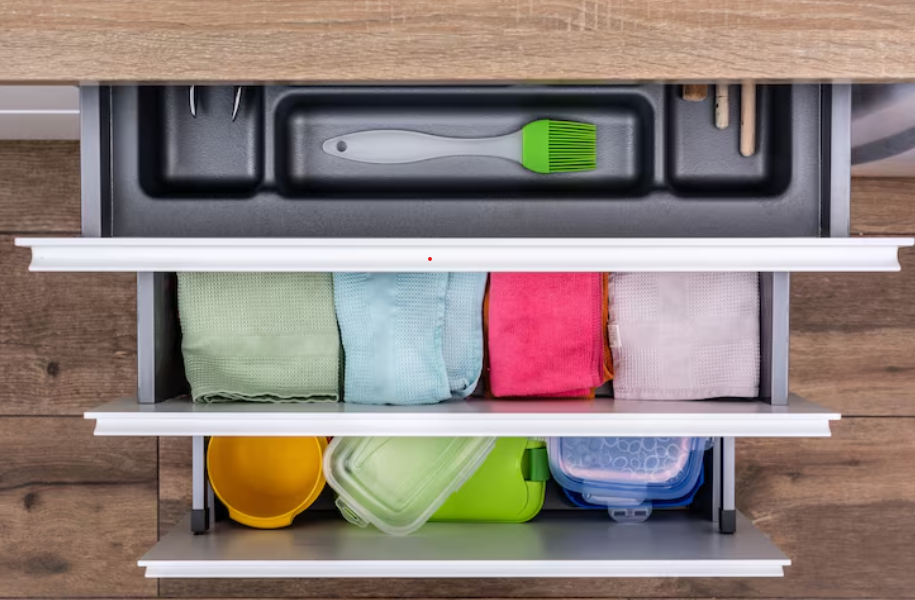
Kitchen drawers typically carry more weight than drawers in other areas of the home. Dishes, cookware, utensils, and food items create substantial loads that stress drawer slide mechanisms beyond their original design assumptions. Over time, this additional stress contributes to accelerated wear and deformation of slide components.
Uneven loading also affects drawer performance. When items shift to one side of a drawer, they create uneven weight distribution that causes slides to bind or operate at angles they weren’t designed to handle. This uneven stress accelerates wear on specific parts of the slide mechanism while creating new friction points.
A small set of precision brushes can help remove accumulated debris from the narrow spaces and grooves within drawer slide mechanisms.
https://www.amazon.ca/s?k=precision+cleaning+brush+set&crid=1JGHPH6MMYX0Q&sprefix=precision+cleaning+brush+set%2Caps%2C1200&linkCode=ll2&tag=890dj891jd21-20&linkId=9bb132c9c15578adbc7ae2bffc33805e&ref_=as_li_ss_tl
A Short Observation
Kitchen environments create the perfect conditions for gradual mechanical degradation through the combination of residue, debris, wear, and lubrication loss that occurs during normal daily use.
Recognizing the Progressive Nature of the Problem
Understanding why kitchen drawer slides become sticky over time reveals how multiple factors work together to create mechanical resistance. The combination of cooking residue, dust accumulation, surface wear, and lubrication breakdown creates a compound effect that gradually transforms smooth drawer operation into a daily frustration.
This knowledge explains why drawer problems seem to appear suddenly even though they develop gradually over months or years. By recognizing these underlying causes, homeowners can better understand the normal lifecycle of kitchen hardware and the maintenance requirements that come with regular use in demanding kitchen environments.
As an Amazon Associate I earn from qualifying purchases.