Why I Ditched Digital Timers for a Classic Mechanical Kitchen Timer
Digital devices have infiltrated nearly every aspect of daily life. Between smartphones, laptops, and televisions, screens dominate our attention throughout the day. This digital creep extends beyond the obvious culprits—car navigation systems, coffee shop ordering kiosks, and medical office check-ins all demand our interaction with touchscreens and apps.
The kitchen, traditionally a sanctuary from technology, has similarly succumbed to the digital takeover. Instead of flipping through physical cookbooks, many home cooks now browse recipes online. Music streaming requires navigating smartphone apps, and voice assistants handle timing duties while we multitask on social media during cooking breaks.
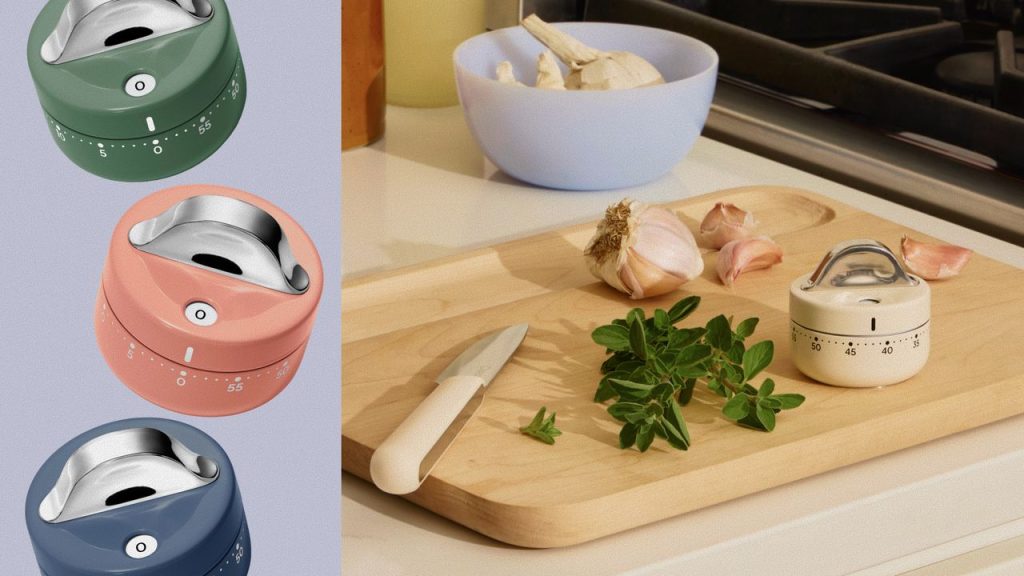
This overwhelming screen dependency led to an experiment with an analog alternative: a traditional mechanical kitchen timer from Caraway. The appeal wasn’t just functional—it was the promise of simplicity. No display, no wireless connectivity, no smartphone app required. Just a substantial dial to turn and the gentle sound of mechanical ticking.
Design and Functionality
The timer embodies mid-century aesthetic appeal with its clean circular design, clear numbering, and substantial feel when adjusting the dial. Available in multiple colors including cream, sage green, and mustard yellow, the stainless steel construction provides enough weight to prevent sliding on countertops while maintaining a compact footprint.
Operating the device requires understanding traditional mechanical timing principles. Setting any duration involves first winding the timer clockwise to the 55-minute mark, then rotating counterclockwise to the desired time. This process loads the internal spring mechanism that powers the countdown.
The Analog Experience
The first test involved timing roasted vegetables—a 25-minute task that would typically involve voice commands to a digital assistant followed by inevitable smartphone distractions. Instead, the physical act of turning the dial created a different experience entirely. The audible ticking provided constant awareness of passing time without requiring screen interaction.
This tactile engagement proved unexpectedly grounding. The mechanical process felt more intentional than tapping a touchscreen, keeping the cooking experience contained within the physical kitchen space. The nostalgic element—reminiscent of childhood baking sessions—added emotional value beyond mere functionality.
When the timer completes its cycle, a clear, high-pitched ring signals completion without requiring device interaction. This eliminates the need to handle phones with messy hands or interrupt other activities to silence alerts.
Breaking Digital Habits
While mechanical timers aren’t essential kitchen equipment—most ovens include built-in timing functions, and smartphones excel at precise timekeeping—the analog approach offers psychological benefits. The comparison to choosing physical cookbooks over online recipes illustrates how traditional tools can enhance the cooking experience.
Incorporating this simple device into daily routines has measurably reduced smartphone usage during food preparation. The change isn’t dramatic, but it creates more mindful, present cooking sessions that feel distinctly more analog in an increasingly digital world.
For those seeking to reduce screen dependency without major lifestyle changes, small analog substitutions like mechanical timers offer manageable steps toward more intentional living. The investment in traditional tools can transform routine activities into more grounded, focused experiences.