Iranian Official Issues Warning to Vessels Navigating Strategic Waterway Amid Regional Tensions
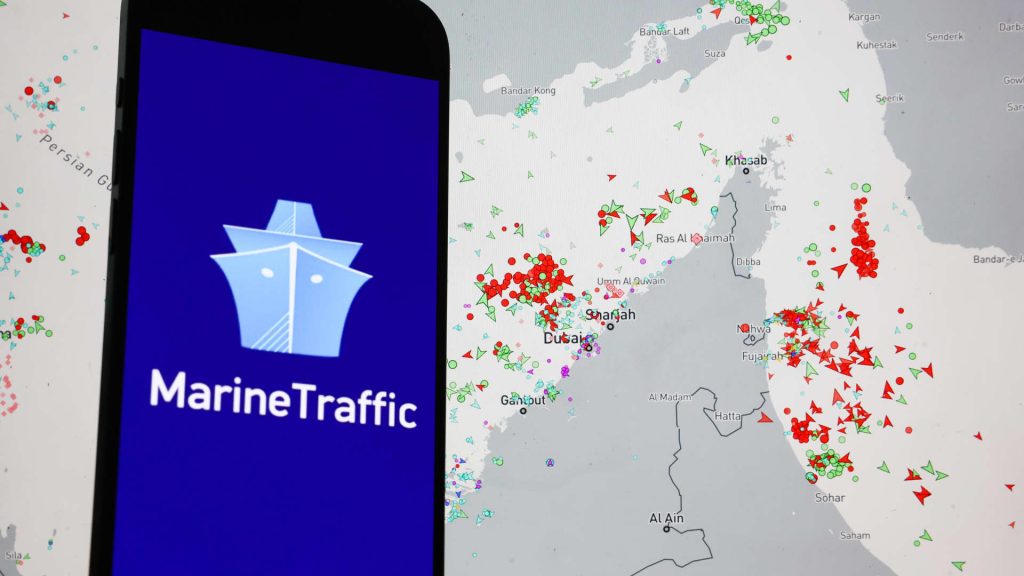
Iranian authorities have issued a cautionary statement regarding maritime traffic through a critical Middle Eastern shipping route, as regional tensions continue to escalate. The warning comes as oil prices have surged beyond $100 per barrel due to disruptions in the strategically important waterway.
Esmail Baghaei, a senior Iranian diplomatic official, emphasized during a recent interview that all vessels navigating the region should exercise extreme caution given the current security environment. The official, who serves dual roles in foreign affairs and public diplomacy, stressed that maritime operations face heightened risks while instability persists.
The Iranian representative justified his country’s military actions against regional targets, characterizing strikes on American military installations as legally permissible under international frameworks. Baghaei specifically cited Article 51 of the United Nations Charter as legal justification for what he described as defensive measures.
Iran’s military operations have reportedly targeted various facilities across Gulf nations, including water treatment facilities in Bahrain, petroleum processing plants in Saudi Arabia, and civilian infrastructure throughout the United Arab Emirates. The Iranian spokesman framed these actions as necessary responses to what he termed foreign aggression.
Baghaei indicated that Iran remains prepared for extended conflict with both American and Israeli forces, stating his nation is developing contingency plans for multiple scenarios, including potential ground operations. He expressed confidence that Iranian society would rally behind newly appointed Supreme Leader Mojtaba Khamenei, who recently assumed power following his father’s death.
The transition of leadership occurred after the previous Supreme Leader, Ayatollah Ali Khamenei, was reportedly killed during the initial phase of military operations involving American and Israeli forces. Baghaei emphasized that Iranian institutions and citizens have demonstrated unified support for the new leadership structure.
Addressing comments from American political leadership regarding Iran’s internal governance, the Iranian official firmly rejected any foreign involvement in domestic affairs. He characterized external interference in leadership selection as a violation of fundamental international legal principles and national sovereignty.
The ongoing crisis has effectively disrupted one of the world’s most crucial energy transit routes, contributing to significant volatility in global oil markets. The situation continues to develop as regional powers navigate an increasingly complex security landscape.