Nations Implement Energy Conservation Measures as Global Oil Prices Surge
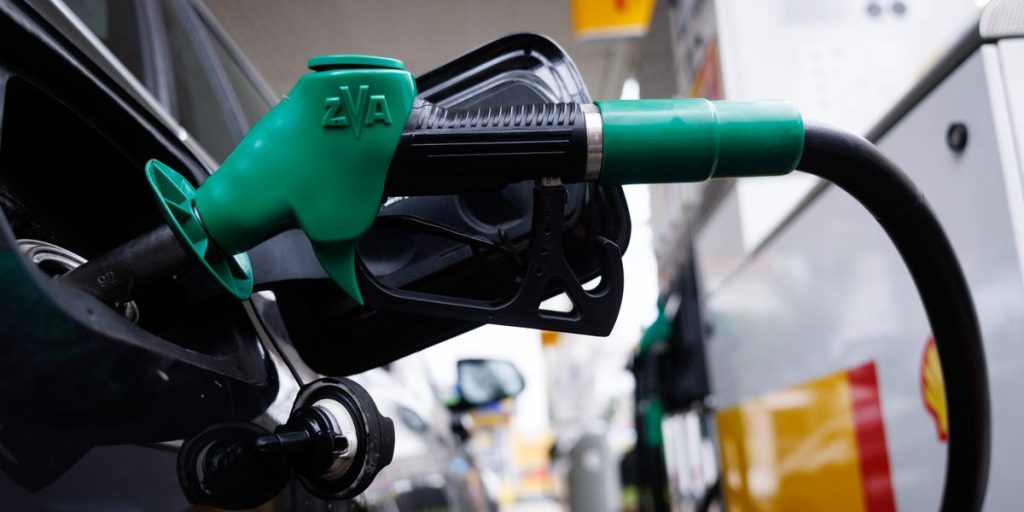
As petroleum prices continue to climb worldwide, governments are implementing various energy conservation strategies and urging citizens to adopt more sustainable practices in their daily routines.
Several countries have introduced specific guidelines aimed at reducing energy consumption across both public and private sectors. These measures range from encouraging remote work arrangements to promoting more efficient use of electronic devices in office environments.
Among the recommendations being promoted by authorities are suggestions to minimize non-essential travel and implement power-saving protocols in workplaces. Officials are particularly focusing on simple yet effective practices that can be easily adopted by the general population.
One notable area of emphasis involves encouraging workers to power down their computing equipment during break periods, including lunch hours. This seemingly small adjustment is being promoted as part of broader energy efficiency campaigns designed to reduce overall power consumption during peak demand periods.
Transportation-related guidance has also become a key component of these national conservation efforts. Citizens are being advised to evaluate the necessity of their trips and consider alternative modes of transport or consolidating multiple errands into single journeys where possible.
These governmental initiatives reflect growing concerns about energy security and the economic impact of sustained high oil prices on both businesses and consumers. The conservation measures are being positioned as both immediate responses to current market conditions and longer-term strategies for building more resilient energy systems.