Understanding Youth Culture: Figure Skating Fame, Fashion Trends, and Corporate Marketing Mishaps
Olympic Champion Faces Unwanted Attention and Inappropriate Commentary
Figure skating sensation Alysa Liu, who captured Olympic gold, has become an unfortunate target of inappropriate online behavior from younger internet users. The 20-year-old athlete has found herself dealing with both digital harassment and real-world stalking incidents that highlight concerning trends in how young people interact with public figures.
A photograph showing Liu appearing to bite her gold medal has been circulating online with inappropriate commentary. However, this image represents a longstanding Olympic tradition dating back to at least 1992, when wrestler Péter Farkas first posed this way for photographers. The practice originated from the historical method of testing gold’s authenticity by marking it with teeth, as gold is a relatively soft metal.
The situation escalated beyond online spaces when Liu reported being pursued by fans at an airport in March. She described feeling overwhelmed by crowds invading her personal space and someone actually chasing her to her vehicle, prompting her to publicly request that people respect her boundaries.
RegencyCore: A New Aesthetic Movement
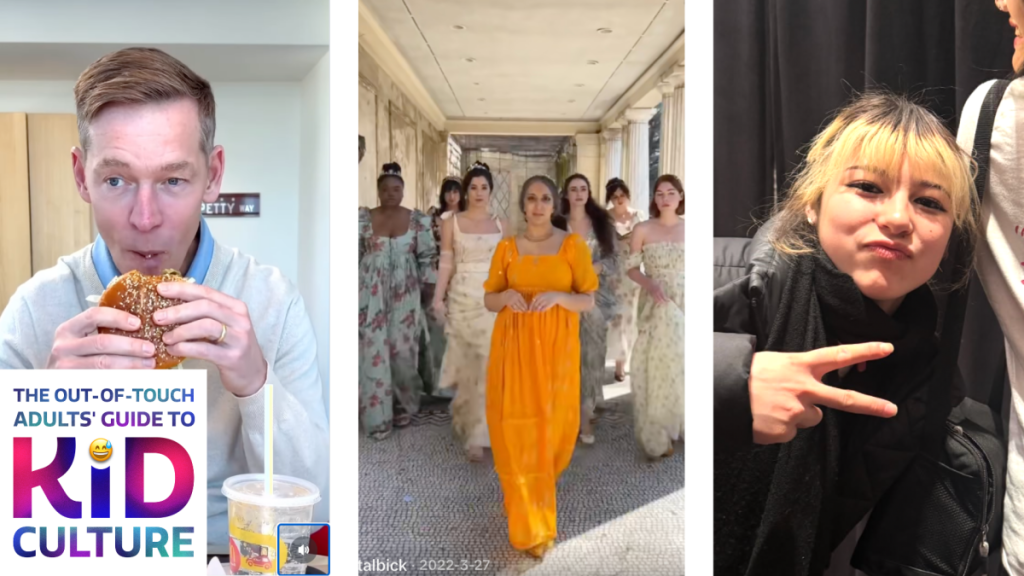
A distinctive style trend has emerged among younger generations, drawing inspiration from the lavish British Regency period of the early 1800s. This aesthetic movement, known as RegencyCore, has gained momentum largely due to the popularity of Netflix’s period drama series Bridgerton.
The style incorporates the ornate elements of early 19th-century British fashion and design, enhanced with fantasy elements including soft pastel color palettes and golden accents. What began as a fashion trend has evolved into a comprehensive lifestyle approach.
Enthusiasts are embracing various aspects of this aesthetic through social media tutorials covering interior decoration, hosting elaborate tea parties, and adopting period-appropriate accessories like corsets and opera gloves. Some devotees have taken their interest further by reviving traditional activities such as creating elaborate table settings and practicing calligraphy with quill pens and sealing wax.
Fast Food Executive’s Awkward Product Demonstration Goes Viral
McDonald’s Chief Executive Chris Kempczinski inadvertently sparked a global social media phenomenon with a promotional video intended to showcase the company’s new Big Arch burger. The executive’s uncomfortable-looking attempt to sample his company’s product resulted in widespread mockery and parody across multiple platforms.
In the original video, Kempczinski expresses enthusiasm for the product while appearing visibly reluctant to actually consume it. His extremely small bite and subsequent praise for the burger’s taste, combined with his uncomfortable facial expressions, created an unintentionally comedic moment that viewers found deeply suspicious.
The video’s awkwardness prompted responses from competing fast food chains, with executives from Burger King, Wendy’s, and other brands posting their own eating demonstrations in apparent attempts to contrast their authenticity with Kempczinski’s performance. These counter-videos featured more enthusiastic consumption but carried their own subtle peculiarities.
Industry analysis suggests the viral nature of Kempczinski’s video, despite its negative reception, may have generated approximately $18.4 million worth of brand exposure for McDonald’s through its widespread sharing and discussion. The clip reportedly achieved over 70 million views across various platforms.
However, examination of Kempczinski’s social media presence reveals a pattern of similarly awkward promotional content, suggesting the viral moment was likely unintentional rather than a calculated marketing strategy. The executive’s Instagram account contains numerous product-tasting videos that exhibit comparable levels of discomfort, indicating this may reflect his natural presentation style rather than deliberate marketing tactics.