Ultimate Guide to Base Layers: Choosing the Right Foundation for Outdoor Activities
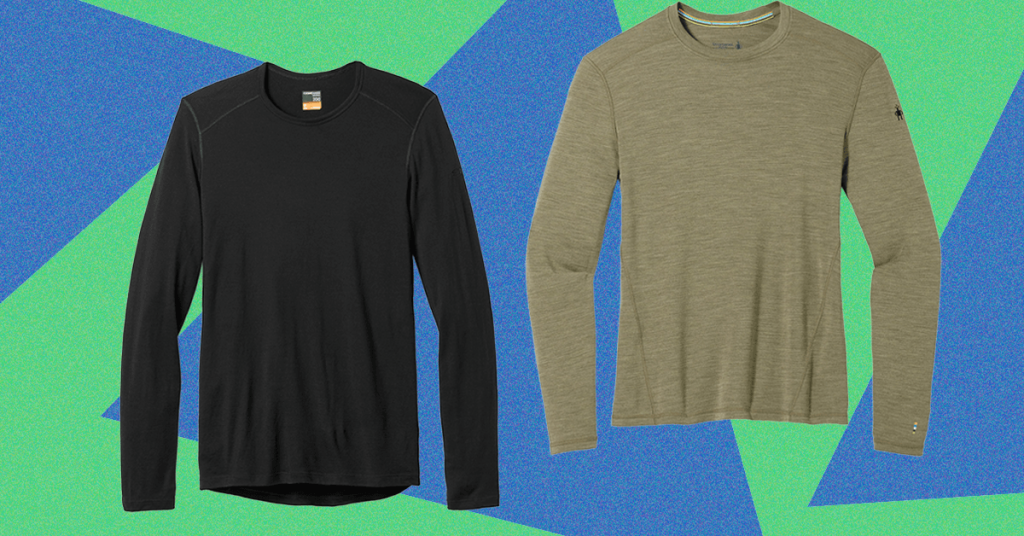
When venturing into cold weather conditions or engaging in high-intensity outdoor activities, selecting the appropriate base layer can make the difference between comfort and misery. These essential undergarments serve as the foundation of any effective layering system, working directly against your skin to manage moisture and regulate body temperature.
Understanding Base Layer Fundamentals
Base layers function as your body’s first line of defense against the elements. Their primary purpose is to wick moisture away from your skin while providing insulation and maintaining comfort during physical exertion. Unlike regular underwear, quality base layers are engineered with specific materials and construction techniques designed to enhance performance in challenging conditions.
Merino Wool: The Natural Performance Champion
Merino wool stands out as one of the most versatile base layer materials available. This natural fiber offers exceptional temperature regulation, naturally resisting odors even after extended wear. The ultra-fine fibers feel soft against the skin, eliminating the scratchy sensation associated with traditional wool garments.
The inherent properties of merino wool make it ideal for multi-day adventures where washing opportunities are limited. Its natural antimicrobial qualities mean you can wear the same garment for several days without developing unpleasant odors. Additionally, merino wool maintains its insulating properties even when damp, making it reliable in unpredictable weather conditions.
Synthetic Materials: Engineered for Performance
Modern synthetic base layers utilize advanced polyester blends and proprietary fabric technologies to deliver impressive moisture-wicking capabilities. These materials excel at moving sweat away from the body quickly, making them particularly effective for high-output activities like running, cycling, or intense hiking.
Synthetic options typically dry faster than natural fibers and often come at more accessible price points. Many feature specialized treatments that enhance odor resistance, though they generally require more frequent washing than merino wool alternatives. The durability of synthetic base layers often exceeds that of natural materials, making them excellent choices for frequent use.
Fit and Construction Considerations
Proper fit is crucial for base layer effectiveness. The garment should sit snugly against your skin without feeling restrictive or binding during movement. Look for flatlock seams that minimize chafing and irritation during extended wear. Strategic panel placement and articulated designs enhance mobility while maintaining the close-to-body fit necessary for optimal moisture management.
Consider the intended use when selecting between different weights and thicknesses. Lightweight options work best for high-intensity activities or milder conditions, while midweight and heavyweight versions provide additional warmth for cold weather pursuits or lower-activity levels.
Care and Maintenance
Proper care extends the life and performance of your base layers significantly. Merino wool garments benefit from gentle washing with wool-specific detergents and should be air-dried to prevent shrinkage. Synthetic materials can typically handle regular machine washing but should avoid fabric softeners, which can impair moisture-wicking properties.
Regular maintenance includes checking for wear points, particularly around seams and high-friction areas. Replacing base layers when they lose their shape or moisture-wicking capabilities ensures continued performance and comfort during outdoor adventures.