State Department Issues Travel Advisories for 14 Middle Eastern Nations Following Regional Conflict
The United States government has issued urgent travel warnings for fourteen countries across the Middle East, advising American citizens to depart immediately as military tensions escalate throughout the region.
The crisis began on February 28 when American and Israeli military forces conducted missile operations against Iran. In response, Iranian forces launched coordinated missile and drone counterattacks targeting American military installations and civilian infrastructure across multiple Gulf nations, including Qatar, the United Arab Emirates, Bahrain, and Oman.
The escalating hostilities have severely disrupted aviation operations throughout the Persian Gulf region. Aviation authorities in Qatar and the UAE implemented immediate airspace closures, resulting in the cancellation of approximately 11,000 flights during the weekend period. These disruptions have affected the travel plans of over one million passengers, according to reports from major news outlets.
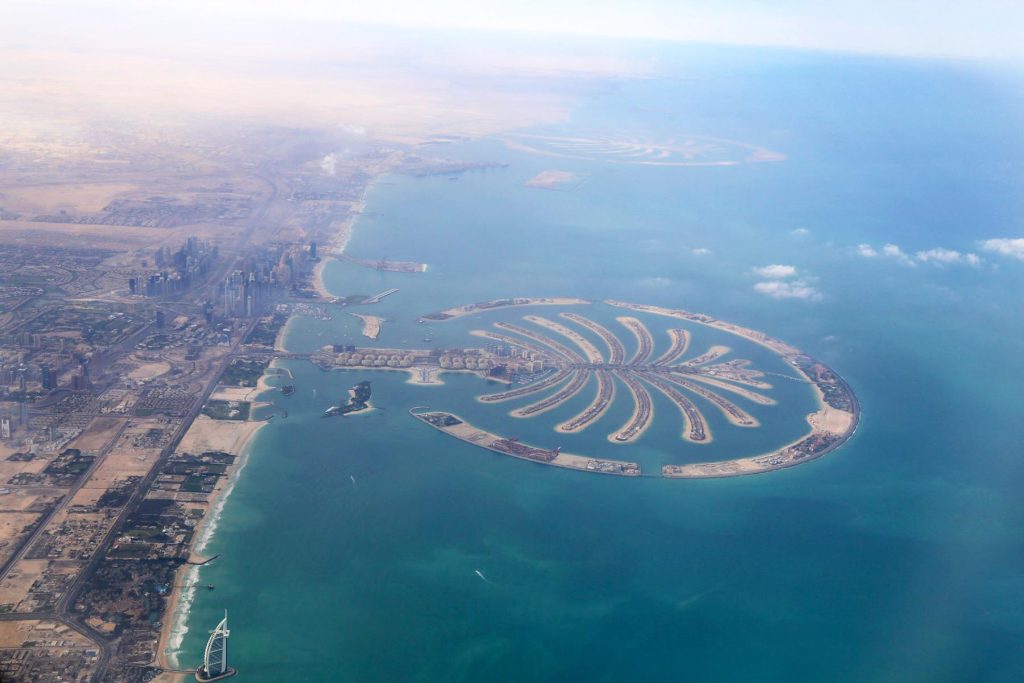
Dubai International Airport suffered direct damage when an Iranian drone struck one of its passenger terminals on Sunday, leaving four airport personnel injured. Additional drone attacks targeted at least two high-end hotels in Dubai during the same weekend period.
The region’s major aviation hubs in Doha, Abu Dhabi, and Dubai serve as critical connection points for international travelers, particularly those journeying between North America, Europe, and destinations in Africa, Asia, and Oceania. The closure of these strategic airports has left countless passengers stranded and unable to complete their planned journeys.
While Dubai and Abu Dhabi airports resumed limited operations on March 2 to assist stranded travelers, airport authorities strongly advised passengers against arriving at terminals without confirmed rebooking from their airlines. Airspace restrictions remain in effect for Qatar, Kuwait, and Bahrain.
Both the UAE and Qatar governments have instructed local hospitality providers to accommodate visitors unable to depart, with official commitments to cover accommodation and meal expenses until safe evacuation becomes possible. Officials estimate that approximately 20,000 travelers remain stranded in the UAE following flight cancellations.
Oman Air maintains restricted operations from Muscat International Airport, though regional flights within the Gulf have been suspended due to neighboring airspace closures. Some desperate passengers have arranged private security escorts for five-hour overland transfers from Dubai or Abu Dhabi to reach flights departing from Muscat. Others have undertaken even longer ground journeys to Saudi Arabia, where aviation operations continue with fewer restrictions.
Major regional carriers including Emirates, Etihad, and Qatar Airways are offering penalty-free rebooking options or full refunds for passengers with tickets through March 10. This deadline may extend depending on the duration of airspace restrictions.
Affected travelers can seek reimbursement through travel insurance for non-refundable expenses related to disrupted plans. Airlines classify the current situation as force majeure, limiting their liability for passenger expenses resulting from delays or cancellations.
On March 3, the State Department closed American diplomatic facilities in Saudi Arabia and Kuwait following Iranian drone attacks. Officials have issued urgent departure advisories for American citizens in fourteen Middle Eastern countries, citing serious safety concerns. The advisory encompasses Iran, Israel, Saudi Arabia, Qatar, the UAE, Bahrain, Egypt, Iraq, Jordan, Kuwait, Lebanon, Oman, Syria, Yemen, and Palestinian territories.
Additionally, the State Department has ordered the evacuation of non-essential diplomatic personnel and their families from embassies in six countries: Bahrain, Iraq, Jordan, Kuwait, Qatar, and the UAE.